About Fire Insurance Claims
What Are Fire Insurance Claims
Fire insurance claims are formal requests made by policyholders to their insurer for compensation after fire-related damage to property or possessions. These claims are typically filed under the buildings and contents sections of a home or business insurance policy and are designed to cover the financial cost of repairs, replacements, and recovery following a fire incident.
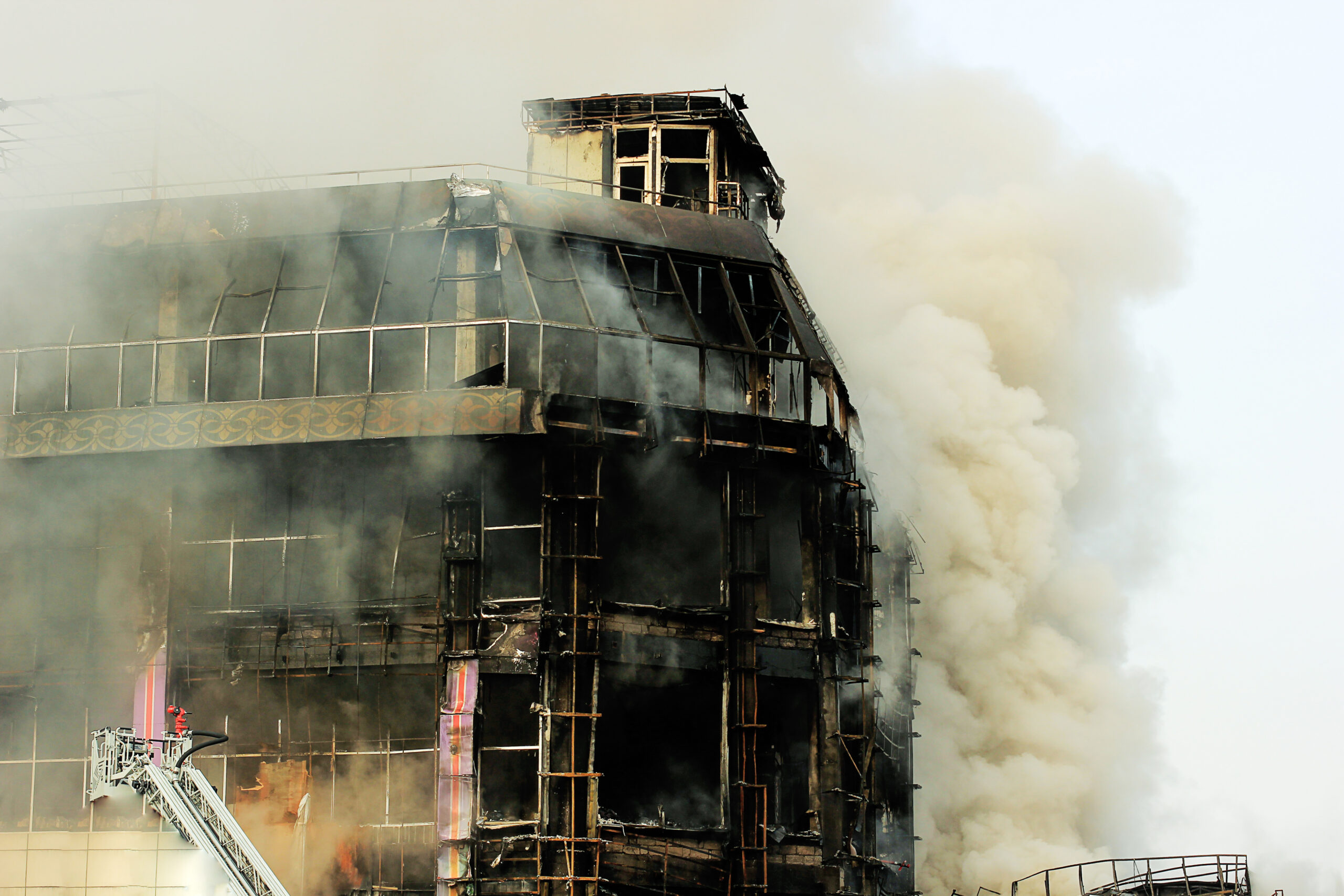
Fire can cause extensive damage, ranging from structural destruction to smoke and soot contamination, and can also lead to secondary issues such as water damage from firefighting efforts. A valid fire insurance claim helps restore the property and replace the contents lost or damaged in the incident.
What Do Fire Insurance Claims Typically Cover?
- Structural Repairs: Restoration of walls, ceilings, roofs, and foundations damaged by fire, heat, or smoke.
- Contents Replacement: Compensation for furniture, electronics, clothing, documents, and other belongings destroyed or damaged by the fire.
- Smoke and Soot Cleaning: Professional cleaning and deodorising services to remove smoke damage and odours from salvageable areas.
- Water Damage Remediation: Repairs for damage caused by water used to extinguish the fire, such as soaked carpets or warped flooring.
- Temporary Accommodation: Coverage for alternative housing if the property is uninhabitable during repairs.
- Business Interruption: For commercial policies, compensation for loss of income and extra operational costs during the recovery period.
How the Claims Process Works
- Incident Occurs: A fire breaks out and causes damage to the property or contents.
- Emergency Response: Fire services respond and extinguish the fire. A fire report is typically issued, which is essential for the claim.
- Insurer is Notified: The policyholder contacts their insurer as soon as possible to report the incident and initiate the claim.
- Damage Documentation: The claimant provides photos, itemised lists of lost or damaged items, receipts, and any reports from emergency services.
- Assessment and Inspection: The insurer may appoint a loss adjuster or fire damage specialist to inspect the property and assess the extent and cause of the damage.
- Restoration and Settlement: Once the claim is approved, repairs are arranged or reimbursed, and payments are made for lost items according to the policy terms.
Important Considerations
- Cause of Fire: Insurers will assess whether the fire was accidental, deliberate, or due to negligence. Claims may be denied if the cause is excluded from the policy.
- Policy Limits and Excess: Compensation is subject to policy limits, and the insured may need to pay an excess before coverage begins.
- Inventory Records: Keeping receipts, photos, or a home inventory can help support a contents claim.
- Prompt Reporting: Acting quickly and providing full documentation ensures a smoother and faster claims process.
Fire insurance claims offer critical support for recovering from one of the most damaging and disruptive types of property incidents. Understanding your coverage and preparing documentation in advance can significantly ease the burden after a fire.