Top 7 Signs Your Insurance Claim Is Being Undervalued
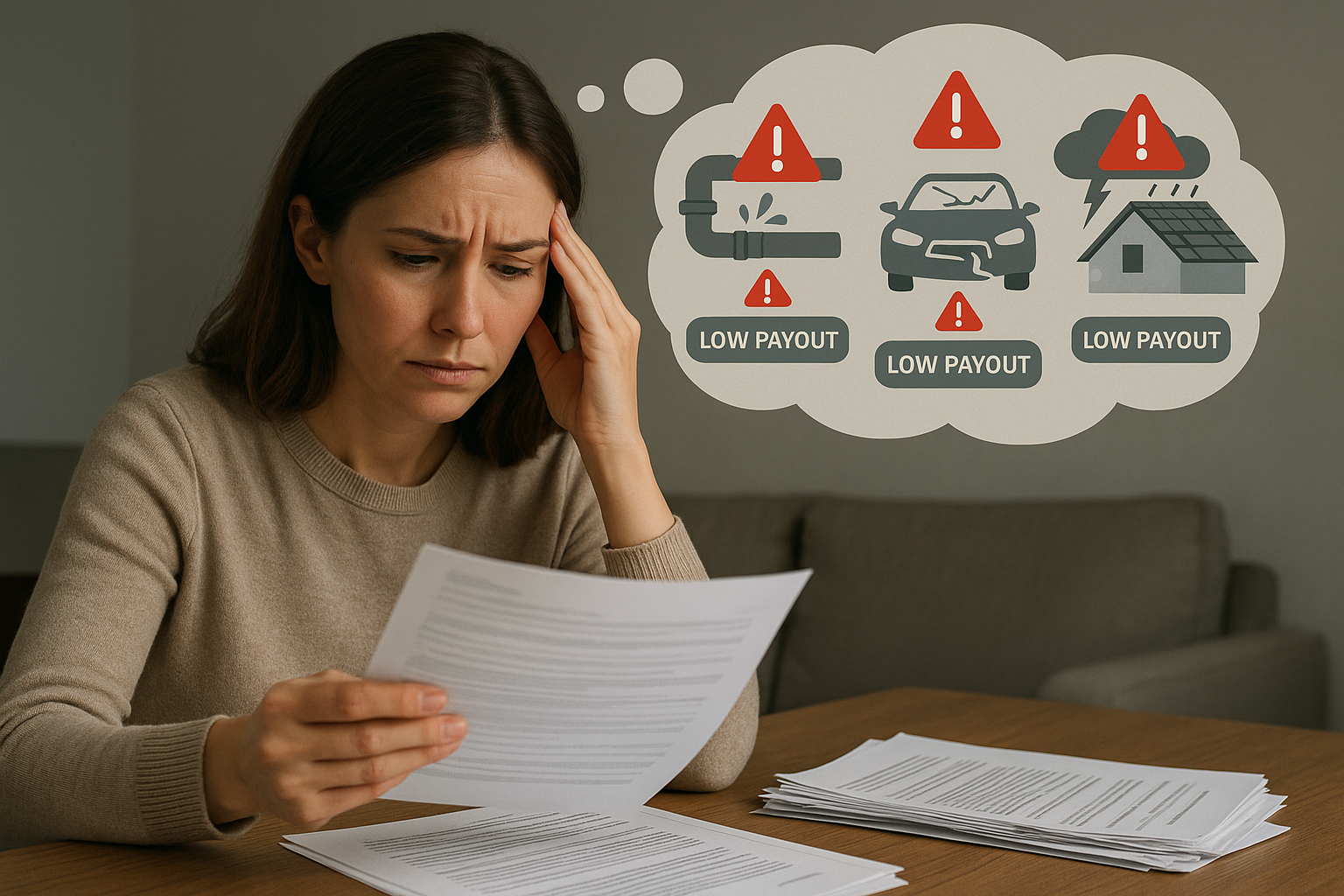
When you make an insurance claim, you expect your insurer to provide a fair payout that reflects your actual loss. But unfortunately, this doesn’t always happen. Many policyholders unknowingly accept undervalued settlements—either because they’re unsure what they’re entitled to, or because they don’t realise the signs of a reduced offer.
In this post, we explore the seven most common warning signs that your insurance claim is being undervalued—and what you can do about it.
The Offer Arrives Too Quickly
While it’s natural to want your claim settled fast, an unusually quick offer can be a red flag. If your insurer provides a settlement figure within hours or a couple of days—especially without a thorough inspection—it may indicate that they’re pushing for a low-cost resolution.
In many cases, a rushed offer is based on averages or assumptions rather than an accurate assessment of your specific circumstances.
Damage Wasn’t Fully Inspected
A fair valuation relies on a detailed review of the damage. If no Loss Adjuster visited your property—or if they conducted a very brief or superficial inspection—there’s a risk that critical losses have been missed or underestimated.
Insist on a complete, in-person assessment, and keep records of what was reviewed and what was overlooked.
Important Items or Costs Are Missing from the Schedule
If key costs—such as specialist repairs, damaged personal items, or professional services—are not included in your claim summary or offer, your settlement may be significantly short. This is a common issue in complex claims involving multiple areas, structural damage, or business interruption.
Ask a Loss Assessor to review the breakdown carefully and make sure every affected item or area is accounted for.
You’re Told Certain Losses Aren’t Covered—But They Should Be
Policy wording can be complex, and some insurers may tell you a certain loss isn’t covered when in fact it is—under specific terms or extensions. This often applies to things like temporary accommodation, legal or surveyor fees, and alternative equipment or services.
Always ask for written clarification and cross-check with your full policy document or a Loss Assessor.
You’re Pressured to Settle Early
Being encouraged to accept a settlement quickly—especially before repairs are completed or quotes are obtained—can indicate an attempt to minimise payout. Once you accept, it’s often very difficult to reopen or amend the claim.
Take your time, seek professional advice if needed, and don’t be rushed into signing off prematurely.
The Settlement Doesn’t Reflect Professional Repair Quotes
If you’ve already obtained contractor or repair quotes and the insurer’s offer comes in significantly lower, this is a strong indication that the claim is being undervalued. Always compare like-for-like: if your estimate includes high-quality reinstatement and the insurer’s figure assumes budget materials or outdated pricing, it’s not a fair comparison.
Communication from the Insurer Lacks Clarity
If your insurer’s explanations are vague, inconsistent, or fail to answer your queries in writing, this may suggest they’re avoiding scrutiny or relying on you not to challenge the offer. Clear, transparent communication is a basic expectation—if you’re not getting that, it’s time to question the validity of their valuation.
Step-by-Step Summary
- Review the insurer’s offer thoroughly—don’t rush to accept.
- Compare the valuation with repair quotes and replacement costs.
- Check whether key items or services have been omitted.
- Request written explanations for any exclusions or limitations.
- Look for signs of a rushed process or incomplete inspections.
- Challenge anything that feels incorrect or unfair.
- Appoint a Loss Assessor to review and negotiate on your behalf.