About Subsidence Insurance Claims
What Are Subsidence Insurance Claims
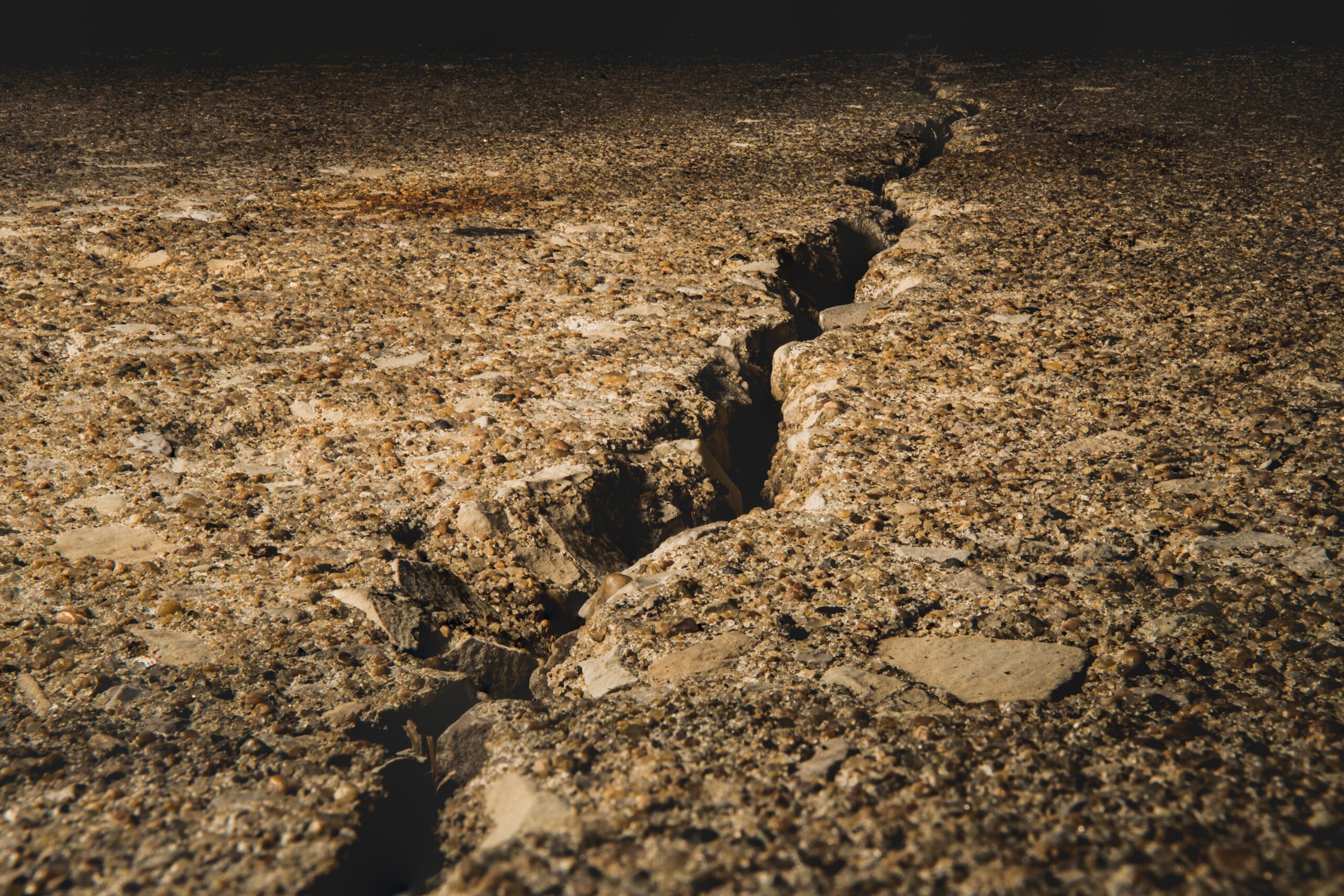
Subsidence insurance claims refer to requests made by homeowners or property owners to their insurer when the ground beneath their building sinks or shifts, causing structural damage. Subsidence is typically the result of soil movement—often due to the drying and shrinking of clay soil, underground water leaks, or tree roots extracting moisture from the ground. This movement can cause foundations to crack or settle unevenly, leading to visible damage such as wall cracks, doors sticking, or sloping floors.
Subsidence is considered a major structural issue and can be costly to repair. It is generally covered under the buildings section of a home insurance policy, although not all standard policies include it automatically. A successful subsidence claim can help cover the cost of investigating the cause, stabilising the property, and repairing the resulting damage.
What Do Subsidence Claims Typically Cover?
- Structural Repairs: Costs to fix cracks, reinforce walls, or rebuild parts of the structure affected by the subsidence.
- Underpinning: Strengthening or stabilising the building’s foundations to prevent further movement.
- Investigation Costs: Professional surveys or soil tests to determine the cause and extent of the subsidence.
- Temporary Accommodation: In some cases, if the property is deemed unsafe to live in, the policy may cover the cost of alternative housing.
How the Claims Process Works
- Damage is Noticed: Signs of subsidence, such as large diagonal cracks or sloping floors, are identified by the property owner.
- Insurer is Notified: The insurer is informed and may require photographs and a description of the damage.
- Assessment and Survey: A structural engineer or surveyor is appointed by the insurer to assess the damage and identify whether it is subsidence or another issue, such as settlement or heave.
- Monitoring Period: In many cases, the insurer will monitor the property over several months to confirm whether the ground movement is ongoing.
- Repairs and Remediation: If subsidence is confirmed, the insurer will arrange or approve necessary remedial works. This may include underpinning and cosmetic repairs.
- Claim Settlement: The insurer covers the approved costs, subject to any excess and policy limits.
Important Considerations
- Policy Excess: Subsidence claims often carry a higher excess than other types of claims, sometimes upwards of £1,000.
- Exclusions: Damage from settlement (initial sinking after construction) or poor workmanship is usually excluded.
- Preventative Measures: Insurers may advise removing large trees close to the property or repairing underground leaks to prevent further issues.
Subsidence insurance claims help ensure that property owners can address serious ground movement issues without bearing the full financial burden. Prompt action and thorough documentation are essential for a successful outcome.